LanzaTech plans to produce sustainable aviation fuel in the Humber
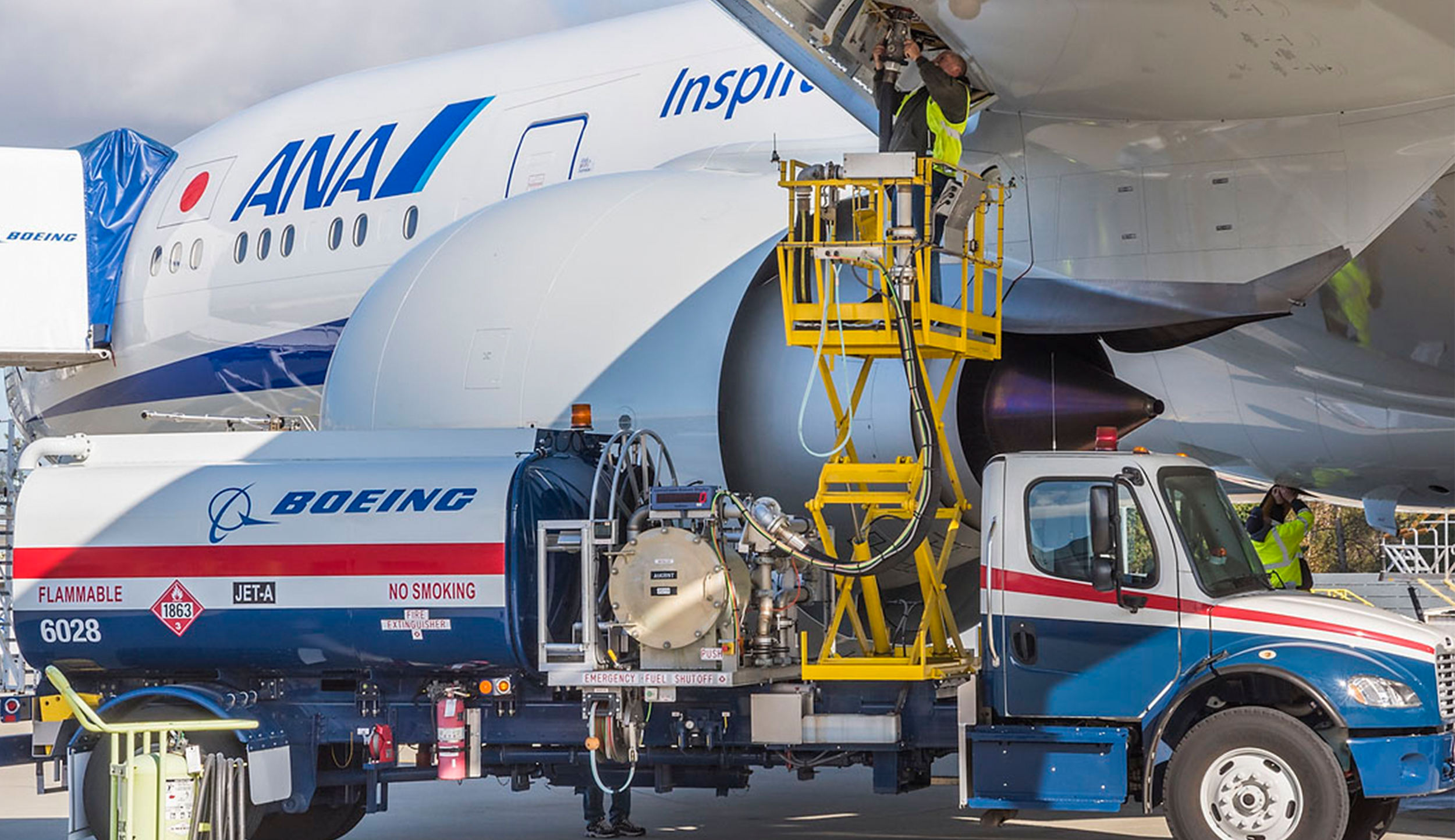
LanzaTech is planning to build pioneering carbon recycling facilities to make green jet fuel in the Humber at the Saltend Chemicals Park. The Project, called DRAGON (Decarbonizing and Reimagining Aviation for the Goal Of Net-zero) Humber will produce Sustainable Aviation Fuel (SAF) a drop-in replacement for the fossil kerosene that largely powers planes today. Fossil kerosene is largely imported into the UK.
SAF helps to achieve greener flying, strengthens domestic fuel supply, creates jobs and improves energy security. The DRAGON Humber facility will produce around 1% of the UK’s jet fuel needs. Building on the Humber regions industrial strength in chemicals, LanzaTech’s proposals are critical to delivering sustainable economic growth and high quality jobs.
We are now running a public consultation on the proposals before submitting a planning application to East Riding of Yorkshire Council.
Please click here to find out more about the proposals and here to provide your feedback. The consultation runs until Friday 11th December.
About LanzaTech
LanzaTech is a USA headquartered company with around 200 staff globally. Project DRAGON Humber is being delivered by its UK business, LanzaTech UK Ltd. LanzaTech has developed two technologies that we are integrating to produce SAF. In Humber, LanzaTech will be building an Alcohol to Jet production facility at the Saltend Chemicals Park. This converts sustainably produced ethanol into SAF.
The ethanol feedstock will be produced by LanzaTech through a process called Gas Fermentation and shipped to the Humber site. The Gas Fermentation process recycles waste carbon emissions from industrial processes. These would usually be flared, or burned to make power. The technology is like retrofitting a brewery onto an emission source like a steel mill or a landfill site, but instead of using sugars and yeast to make alcohol, waste carbon is converted by bacteria to ethanol. LanzaTech currently operates six industrial scale ethanol production facilities globally that we will use to supply the DRAGON Humber plant with ethanol feedstock to be converted to SAF.
LanzaTech also uses its ethanol to make a range of other products like fleeces, the soles of trainers, tee-shirts, perfume and even shampoo bottles all of which started life as emissions from an industrial facility. Further information about the remarkable 20+ year journey of LanzaTech from a small laboratory in New Zealand to a pioneering biotechnology company is available here.

The need for sustainable fuels
To try to tackle climate change the UK government has set legally binding targets to achieve net-zero emissions by 2050. The aviation industry is one of the most difficult sectors to reduce emissions, so the government now requires aviation fuel suppliers to steadily increase the amount of Sustainable Aviation Fuel (SAF) used in aircraft each year from 2025 to 2040. The DRAGON Humber project will supply UK produced SAF to help meet this target.
SAF can be used today without changes to existing aircraft engines (in blends of up to 50% alongside standard jet fuel), making it an immediate solution for the aviation industry to reduce its emissions. The SAF LanzaTech makes produces much less CO2 over its lifecycle than fossil kerosene and will typically save over 70% of the emissions of conventional fossil jet fuel. LanzaTech achieves this by capturing and recycling waste carbon, such as from industrial sites, that would otherwise be emitted as CO2 to the air and reusing this to make ethanol we turn into SAF.
The SAF made by LanzaTech also reduces the creation of contrails (vapor trails) produced by aircraft which can also make a significant contribution to global warming.

The story so far
The UK Government requires by 2030 that 10% of the jet fuel used in UK aviation will be sustainable aviation fuel (SAF). To help meet this target LanzaTech has been developing projects to make SAF in the UK.
LanzaTech first looked at sites in Wales but for site specific reasons has switched the location of the project. After an extensive site selection LanzaTech chose the Saltend Chemicals Park as the location for its first alcohol to jet facility that will turn sustainably sourced ethanol into SAF. To accelerate progress LanzaTech has been assisted by £25 million of funding from the Department for Transport’s Advanced Fuels Fund, highlighting that this is a critically important project to meet the UK’s climate goals. We are currently awaiting the outcome of an application to the Government’s Low Carbon Fuels Fund.
What happens next?
LanzaTech is currently working on the engineering design of the alcohol to jet facility as well as securing the commercial agreements we need to proceed. LanzaTech has also been preparing a planning application with our consultants Turley. We are working closely with East Riding of Yorkshire Council planning officers and engaging more widely on our plans with local residents and other stakeholders as we make progress. We hope to submit the planning application before the end of 2026. Further information on the proposals and upcoming consultation can be seen by clicking the link below.
During 2027 we aim to secure planning permission and finalise the engineering, environmental and safety permits we need to begin construction of the project. We will be working to secure the investment we need to build the facility that will cost more than £500 million. To provide investors with security to proceed we will also be applying to the Government’s new Revenue Certainty Mechanism and hope to be shortlisted for this support scheme by year end and secure agreement by the end of 2028. Our goal is to secure a Final Investment Decision, the firm agreement from all parties to move forward with the construction of the facility, at the end of 2027.
If FID is reached at the end of 2027 LanzaTech will commence construction in 2028. During the construction period, that will last to 2031, we estimate around 300 high quality skilled jobs will be created throughout the period building the facility. We intend that local contractors will be able to bid to help build alcohol to jet plant assembling the large modules that will be built offsite and transported to the Saltend site.
Operation of the facility is planned to commence in 2031 with 50 permanent new high-quality jobs on site and a further 50 or so jobs in the supporting supply chain, DRAGON Humber will make 80,000 tonnes of SAF (about 1% of UK jet fuel requirements) and produce 8,000 tonnes of renewable diesel annually as a byproduct. Waste is minimal with water the only significant waste product. There is minimal noise and air pollution and no unpleasant smells.